
Left Shoulder Rotator Cuff Tear ICD 10 Guide
Persistent pain in the left shoulder can make basic daily activities feel incredibly difficult. Patients experiencing a dull ache or severe weakness may be suffering from a damaged shoulder joint. When seeking medical care, accurate documentation is a vital step in the recovery process. The specific left shoulder rotator cuff tear ICD 10 code used by healthcare providers directly impacts diagnosis accuracy, medical records, and insurance billing.
The International Classification of Diseases (ICD-10) provides specific codes to categorize these injuries based on their severity and cause. Understanding what these classifications mean can empower patients to make informed decisions about their healthcare. This guide outlines the essential codes, common symptoms, and comprehensive treatment options available for individuals seeking relief from shoulder pain.

What Is a Rotator Cuff Tear?
The rotator cuff is a group of four muscles and tendons that surround the shoulder joint. These tissues keep the head of the upper arm bone firmly within the shallow socket of the shoulder. A tear occurs when one or more of these tendons detach entirely or partially from the bone.
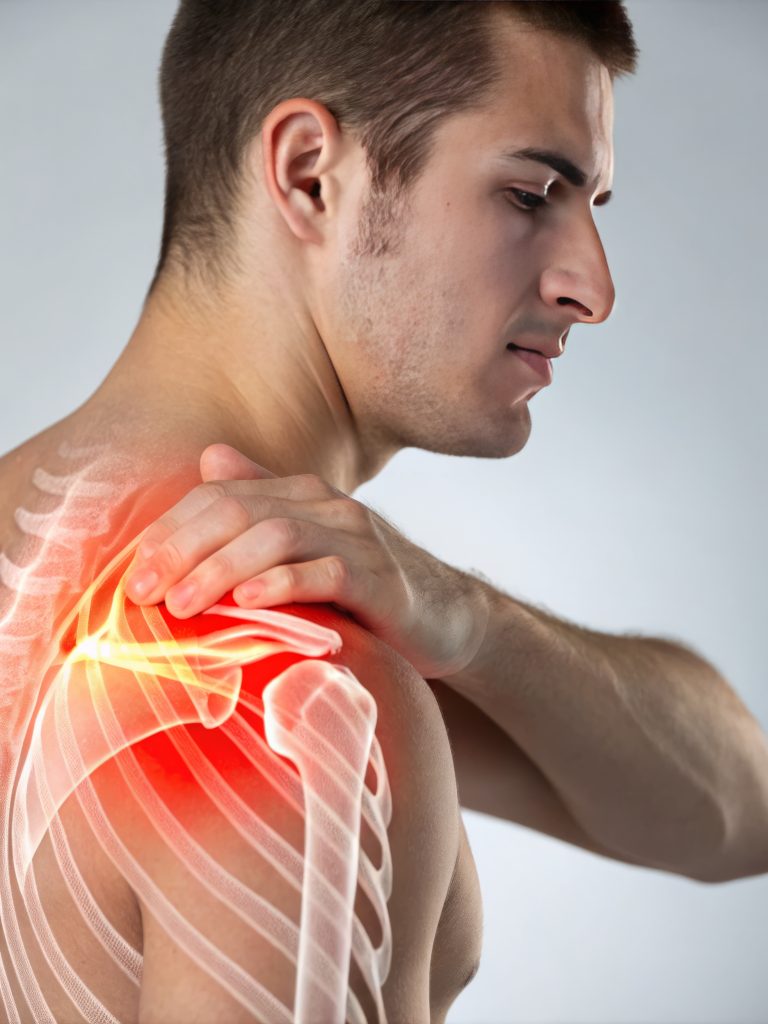
When a patient suffers a left shoulder rotator cuff tear, they often struggle with lifting, reaching, and overhead movements. A tear can result from a sudden injury or develop gradually over time due to wear and tear.
ICD-10-CM Codes for Left Shoulder Rotator Cuff Tears
Medical professionals use specific ICD-10-CM codes to document the exact nature of a shoulder injury. Side-specific documentation is crucial for accurate medical records and proper treatment planning. For a left-shoulder nontraumatic rotator cuff tear, the category includes specific code options based on the level of detail provided by the physician:
- M75.102: Unspecified rotator cuff tear or rupture of left shoulder, not specified as traumatic.
- M75.112: Incomplete rotator cuff tear or rupture of left shoulder, not specified as traumatic.
- M75.122: Complete rotator cuff tear or rupture of left shoulder, not specified as traumatic.
Accurate coding depends entirely on detailed clinical documentation. Physicians must clearly note whether the tear is incomplete, complete, or unspecified. Furthermore, if a sudden accident caused the injury, providers use a different set of trauma codes, such as S46.012 for a traumatic strain or tear of the left shoulder.
Common Causes and Symptoms
Rotator cuff injuries occur for a variety of reasons. Many patients develop degenerative tears due to age-related wear and repetitive overhead activity. Occupations or sports that require continuous heavy lifting also increase the risk of tendon damage. Alternatively, a sudden pulling injury or a fall can cause an immediate, traumatic tear.
Patients with this condition typically experience a distinct set of symptoms. Identifying these warning signs early can accelerate the path to a pain-free life. Common indicators include:
- Persistent left shoulder pain.
- Noticeable weakness while lifting the arm.
- Pain during overhead movements, such as combing hair or reaching for a shelf.
- Night pain, especially when sleeping on the affected side.
- A reduced range of motion in the shoulder joint.
How a Tear Is Diagnosed
To recommend the most effective care plan, an orthopedic specialist conducts a comprehensive evaluation. The diagnostic process begins with a detailed clinical history and a physical examination. The doctor will test the patient’s range of motion and shoulder strength. To confirm the diagnosis and determine if the tear is partial or full-thickness, specialists frequently order imaging tests. An ultrasound or an MRI provides a clear picture of the tendon damage, allowing the medical team to select the correct left shoulder rotator cuff tear ICD 10 code.
Expert Treatment Options
Modern orthopedic care offers both non-invasive and surgical approaches to reclaim shoulder mobility. The chosen treatment depends on the severity of the tear, the patient’s age, and their overall activity level.
Non-Surgical Treatment
Many patients find significant relief through conservative, non-invasive options. A tailored rehabilitation program often includes rest, activity modification, and targeted physiotherapy. Shoulder strengthening exercises help restore function and reduce pain. Doctors may also recommend anti-inflammatory medicines or localized injections to manage discomfort effectively.
Surgical Treatment
When non-invasive methods do not provide adequate relief, or if the tendon is completely detached, a specialist might recommend surgery. Arthroscopic rotator cuff repair is a minimally invasive procedure that reattaches the torn tendon to the bone. Following surgery, patients undergo a structured post-surgical rehabilitation program to ensure optimal healing and restore full strength.
Start Your Recovery Journey Today
Accurate diagnosis and precise medical coding are the foundational steps toward effective treatment. Patients struggling with persistent weakness, difficulty completing daily tasks, or pain that does not improve with rest should seek professional medical evaluation. An expert orthopedic consultation will provide a tailored treatment plan designed to alleviate discomfort and restore mobility. Schedule an appointment with a dedicated shoulder specialist to reclaim your active lifestyle today.